 Skip to content
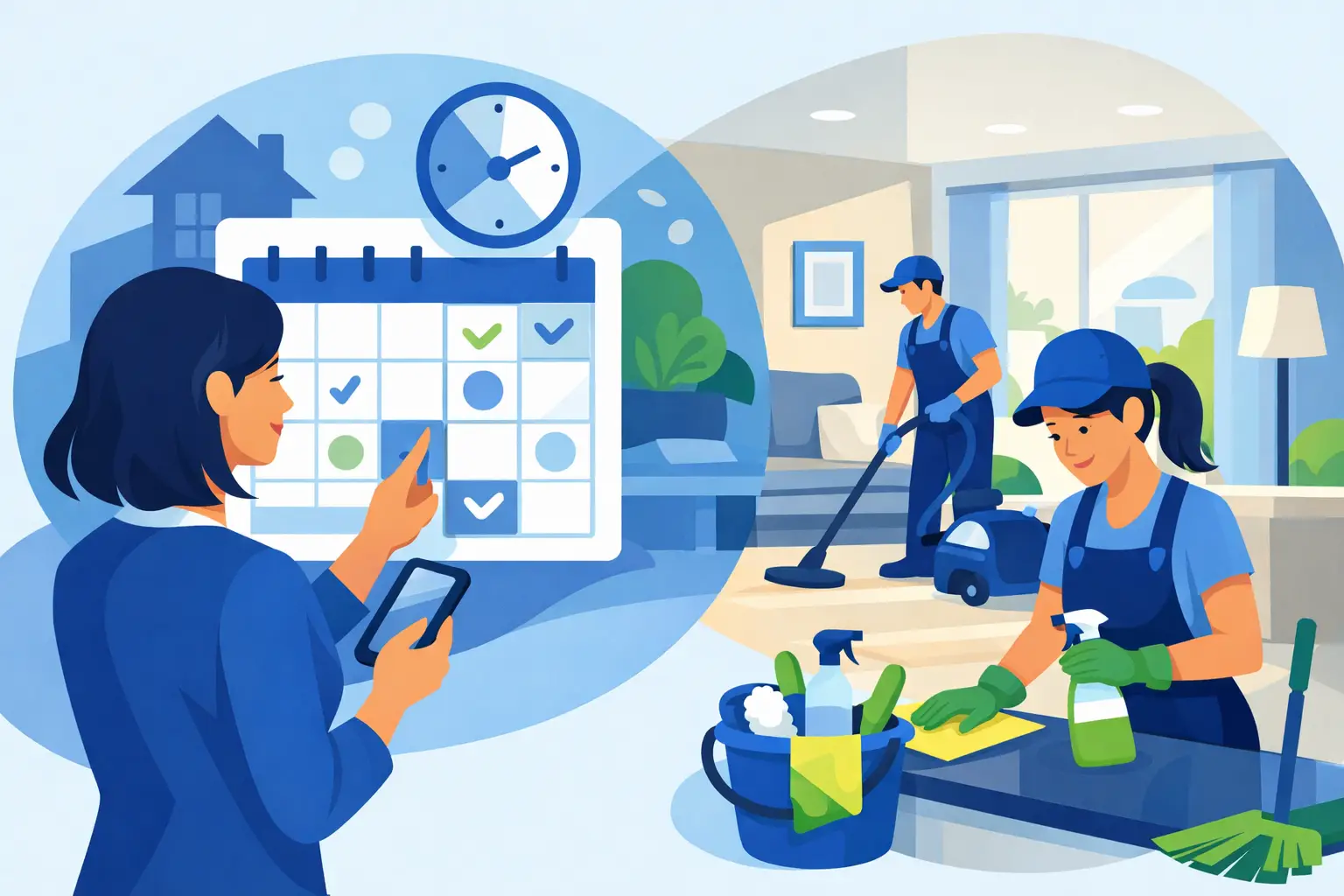
A clean home is easier to enjoy when cleaning is planned before the mess feels overwhelming. If you are wondering when should you schedule cleaners, the most useful answer is: schedule around your household’s real routines, not an unrealistic ideal. The right timing depends on how many people live in your home, how often you host, whether you have pets, and how much of your free time you want to spend cleaning.
For busy Triangle households, a recurring appointment is often the simplest way to keep cleaning from becoming another weekend task. For others, a well-timed one-time deep clean or move-related service is the better fit. Here is how to choose a schedule that keeps your home consistently cared for without adding more to your calendar.
When Should You Schedule Cleaners? Start With Your Routine
Look at what happens in your home between cleanings. A quiet apartment occupied by one person will have different needs than a four-bedroom home with children, pets, frequent visitors, and packed workweeks. The goal is not to schedule service as often as possible. It is to choose an interval that prevents dust, bathroom buildup, kitchen messes, and floors from becoming a bigger project than you want to handle yourself.
Weekly cleaning is often a strong choice for active households. If your kitchen sees daily cooking, bathrooms are used heavily, or pet hair gathers quickly, weekly visits provide a dependable reset. This frequency also works well for people who regularly host friends, work from home, or simply prefer their space to feel ready for company at any time.
Every two weeks is a practical middle ground for many families, couples, and professionals. It keeps the most-used areas maintained while allowing you to handle light tasks, such as dishes and quick wipe-downs, in between visits. Biweekly service is a common fit for homes that are generally tidy but need reliable help with the work that takes the most time.
Monthly cleaning can make sense for smaller households, low-traffic homes, or people who keep up with regular maintenance themselves. It is also a useful option after an initial deep cleaning has brought the home to a comfortable baseline. The trade-off is that monthly appointments may require more attention between visits, especially in kitchens and bathrooms.
A simple way to decide is to ask yourself one question: by the time you clean, do you feel like you are maintaining the home or trying to recover it? If you are always catching up, a more frequent schedule may give you more time back and make each visit more effective.
Match the Cleaning Type to the Moment
Timing is only part of the decision. The type of cleaning should match the condition of the home and what is happening next.
A standard cleaning is designed for ongoing upkeep. It is usually the right choice when your home is already in reasonable shape and you want help maintaining the bathrooms, kitchen, floors, dusting, and other everyday priorities. Schedule this service on a recurring basis when consistency matters most.
A deep cleaning is better when it has been a while since the home received detailed attention, when you are starting a recurring plan, or when buildup has accumulated in areas that do not get cleaned every week. Think of it as a reset rather than routine maintenance. Planning a deep clean before beginning biweekly or monthly service can help establish a cleaner baseline for future visits.
Move-in and move-out cleanings should be scheduled as soon as your moving dates are confirmed. A move-out clean is easiest to complete after the home is empty, while a move-in clean works best before furniture, boxes, and household items arrive. Waiting until the last minute can make an already busy transition more complicated, particularly during popular moving periods.
Custom cleaning can be a helpful option when your needs do not neatly fit a standard schedule. Maybe you want the kitchen and bathrooms addressed regularly but prefer to reserve deeper detail work for a different visit. Clear priorities make it easier to schedule the right service rather than paying attention to areas that are not currently important to you.
Schedule Ahead for the Dates That Matter
The best time to book is usually before a deadline is close. If you are planning a birthday dinner, hosting relatives, preparing for a new baby, returning from travel, or listing your home for sale, schedule cleaning several days ahead when possible. This gives you room to focus on groceries, errands, decorations, packing, or simply enjoying the occasion.
For gatherings, an appointment one or two days before guests arrive is often ideal. Your home will feel fresh, but there is still time to handle last-minute cooking or setup afterward. If guests will be staying overnight, consider a follow-up cleaning after the visit as well. It can be a welcome way to reset bedrooms, bathrooms, and shared spaces without spending your entire weekend doing it yourself.
Before holidays and long weekends, earlier booking is especially wise. Those are the times when many homeowners want their kitchens, dining areas, guest rooms, and bathrooms ready at once. The same principle applies to spring cleaning and back-to-school season, when routines tend to shift and household to-do lists grow.
Choose a Time of Day That Works for Your Household
There is no universally perfect appointment time. The best choice is the one that allows cleaners to work efficiently while keeping your day comfortable and predictable.
Weekday daytime appointments work well for many households because children may be at school and the home may be quieter. If you work from home, think about where you will take calls and whether you prefer the busiest rooms cleaned before or after your meetings. It may be helpful to schedule on a day with fewer video calls or to work from a coffee shop for part of the visit.
If you have young children, some families prefer appointments during school hours or while they are out for activities. Pet owners should also consider their pets’ routines. A dog that is anxious around visitors may be more comfortable in a separate room, with a family member, or out for a walk during the appointment. Sharing relevant preferences in advance helps create a smoother experience for everyone.
You do not need to be home for every visit if you have arranged access with a trusted professional service. Many homeowners value that flexibility, especially when recurring cleaning fits into an already full workweek. Background-checked, fully insured cleaners and consistent scheduling can make that arrangement feel more comfortable over time.
Avoid Waiting Until Cleaning Becomes an Emergency
One-time cleaning is useful, but it should not be the only plan if your home repeatedly reaches a stressful point. Scheduling only when company is coming or when the mess feels unmanageable can turn cleaning into a pressure-filled task. It also means you spend more time looking at a home that does not feel as organized or welcoming as you would like.
A recurring schedule creates predictability. You know the bathrooms, kitchen, floors, and dusting will be addressed regularly, and you can plan around that visit. For many households, this is less about a perfect home and more about protecting time for family, work, rest, and the things that matter after a busy week.
That said, recurring service is not an all-or-nothing commitment to a rigid routine. Your needs may change during summer break, after a move, while hosting visitors, or when a work season becomes unusually demanding. A good cleaning plan can be adjusted to fit the life you are actually living.
How Far Ahead Should You Book?
For a routine appointment, booking a week or more in advance is a good habit, especially if you prefer a particular day or time. For a deep clean, move-related service, or pre-event appointment, allow additional lead time when you can. More notice gives you greater flexibility and makes it easier to coordinate cleaning with movers, painters, deliveries, or event preparations.
Once you find a recurring cadence that works, keeping the same day and general time can simplify everything. You do not have to revisit the decision every month, and your household can build a predictable rhythm around the appointment. Consistency may also help a dedicated cleaner become familiar with your priorities, preferences, and the parts of your home that need the most attention.
Make Each Cleaning Visit More Productive
You do not need to clean before the cleaners arrive. That defeats the purpose. But a few minutes of preparation can help the visit focus on actual cleaning rather than locating surfaces under everyday clutter.
Put away loose clothing, papers, toys, and dishes if possible. Secure important documents and personal items, and let the team know about any rooms to skip, products to avoid, fragile items, pets, or areas that need special attention. If you have a new concern, such as a high-traffic entryway after rainy weather or a guest bathroom that needs extra care, mention it before the appointment.
Clear communication is especially valuable with recurring service. Your priorities may shift over time, and a professional cleaning team should make it easy to share updates. Mission Maids builds its service around clear booking, background-checked and insured cleaners, same-cleaner consistency when available, and a 100% satisfaction guarantee so homeowners can schedule with greater confidence.
The best cleaning schedule is the one that makes your home easier to live in, not one that adds another obligation to manage. Choose a cadence that fits your household now, book ahead for the moments that matter, and give yourself the freedom to come home to a space that feels cared for.