 Skip to content
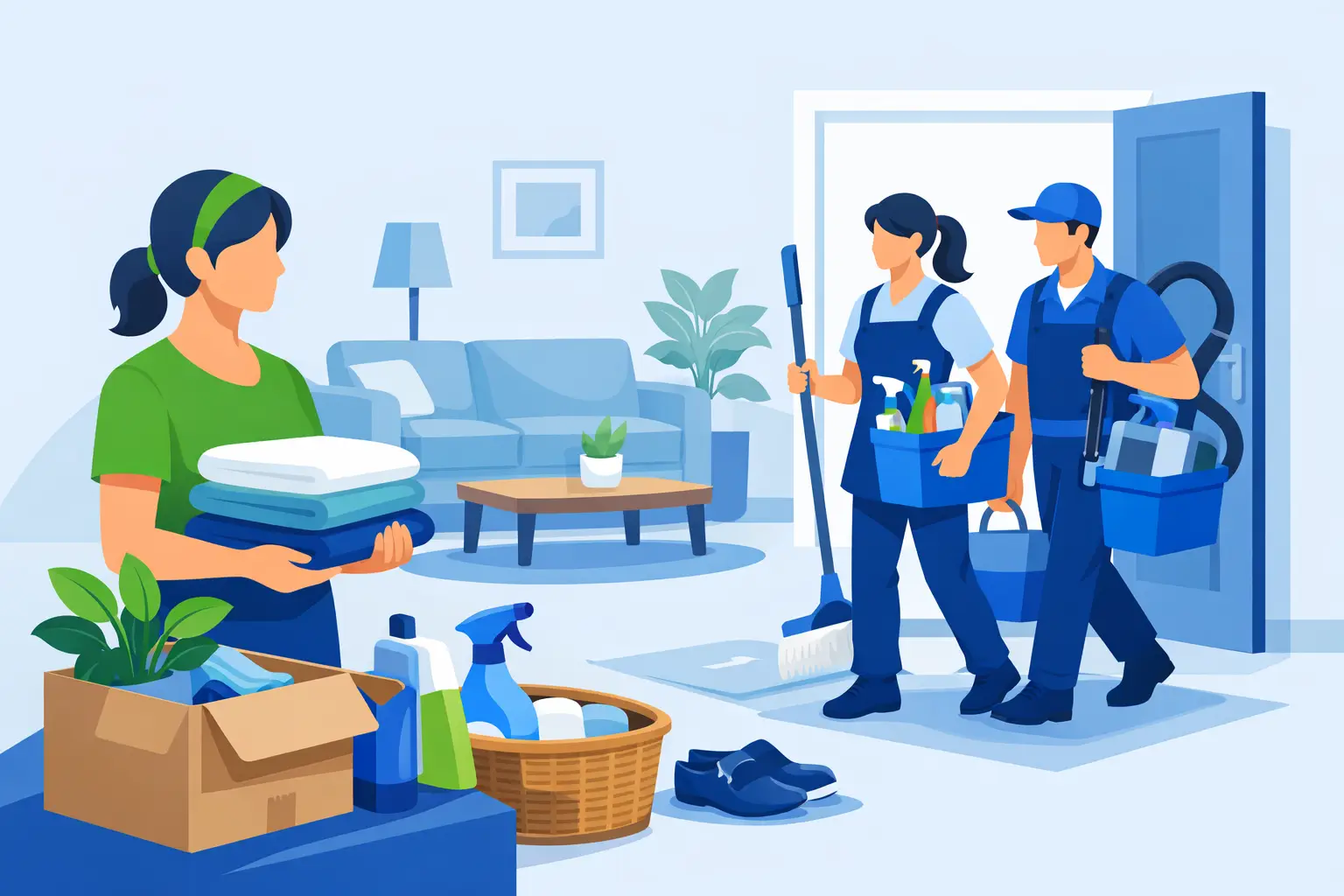
If your cleaners are arriving in a few hours and you are speed-walking from room to room wondering what you actually need to do, the good news is this: preparing your home should be simple. Knowing how to prepare for cleaners is less about cleaning before they clean and more about making sure they can focus on the work you are paying them to do.
A little prep helps your appointment run more efficiently, reduces confusion, and makes it easier to get consistent results. Whether you are booking a one-time deep clean, setting up recurring service, or getting ready for a move-related cleaning, the right steps are practical and straightforward.
How to prepare for cleaners without overdoing it
The biggest misconception is that you need to pre-clean your entire home. You do not. Wiping down counters, scrubbing showers, or vacuuming before a professional visit usually defeats the purpose.
What does help is a quick reset of everyday clutter. If floors are covered with toys, paperwork, laundry, or shopping bags, cleaners may need to spend valuable time moving items instead of cleaning the surfaces underneath. That does not mean your home needs to look perfect. It just means the space should be accessible.
Think of it this way: cleaners handle the cleaning best when you handle the personal items. A 10 to 20 minute pickup can make a noticeable difference in what gets done during the visit.
Start with the rooms that matter most
If time is tight, focus on the areas where personal clutter tends to build up. Kitchens, bathrooms, bedrooms, and living rooms usually benefit the most from a quick pickup.
In the kitchen, put away dishes if possible and clear excessive items off countertops. A coffee maker or toaster is fine, but unopened mail, school papers, and random household items make it harder to clean thoroughly.
In bathrooms, remove used towels from the floor, put away personal toiletries you do not want moved, and make sure cleaners can reach sinks, tubs, and toilets easily.
In bedrooms, pick clothes up off the floor and decide whether you want the bed stripped or left as is, depending on whether linen changes are part of your service.
In living areas, gather loose items like blankets, pet toys, chargers, and kids’ belongings. Cleaners can work around lived-in spaces, but less loose clutter means better access to dusting and vacuuming.
Put away anything important, fragile, or private
Professional cleaners are used to working carefully in occupied homes, but it still makes sense to secure valuables, cash, sensitive paperwork, jewelry, medications, and highly personal items before the appointment.
This is not about expecting a problem. It is about avoiding unnecessary concern on either side. If something is expensive, sentimental, confidential, or easy to misplace, store it in a drawer, closet, or room that is off-limits for the visit.
The same goes for paperwork on desks and counters. If there are tax documents, work files, or school records out in the open, putting them away helps protect your privacy and gives cleaners more room to work.
Make access easy from the start
One of the most overlooked parts of how to prepare for cleaners is entry. If your cleaners cannot get in easily, the appointment can start behind schedule.
Before the visit, confirm how they will access the home. That might mean being there in person, leaving a key in a lockbox, sharing gate instructions, or making sure a doorman or front desk has the right information. If you have an alarm system, decide whether you will disarm it or provide clear instructions ahead of time.
It also helps to secure pets or at least have a plan for them. Some pets are friendly and calm, while others get anxious with visitors, vacuums, or open doors. If your dog barks at anyone entering the house or your cat tends to slip outside, keeping them in a separate room or crate can make the visit safer and less stressful.
Be clear about priorities
Not every home needs the same kind of attention. If there are areas you care about most, communicate that before the appointment begins.
Maybe the guest bathroom has not been used in weeks, but the primary bath needs extra help. Maybe the upstairs bedrooms are already in good shape, but the kitchen and main living area need the most attention. Sharing those priorities helps cleaners use their time well, especially during first-time visits or custom cleanings.
This matters even more if your home needs a deeper reset. In that case, be realistic about what can be done in one appointment based on the home size, condition, and service type. A standard cleaning and a deep cleaning are not the same, and preparing with the right expectations usually leads to a better experience.
Leave simple instructions if you will be away
If you are not planning to be home during the cleaning, a short note can be helpful. Keep it brief and practical.
Include anything cleaners need to know about entry, alarm instructions, pet arrangements, problem areas, or rooms to skip. If there is a broken doorknob, a sticky window, or a room that should remain closed, mention it clearly. Good instructions prevent confusion without turning the visit into a long checklist.
If you have booked recurring service, this gets easier over time. Once preferences are established, future appointments tend to be more predictable and efficient.
Decide what to do about dishes, laundry, and clutter
This is where expectations matter. Some homeowners assume cleaners will automatically handle dishes, laundry, and general tidying, but that depends on the service booked.
If your appointment is focused on cleaning surfaces, bathrooms, floors, and dusting, piles of laundry and stacks of dishes can slow things down. If you want help beyond standard cleaning tasks, it is best to request that in advance so the scope is clear.
For most appointments, the safest approach is to take care of the basics beforehand. Run the dishwasher, move laundry into baskets, and do a quick pickup of everyday clutter. That way, your cleaners can spend more time on the actual cleaning.
Small steps that make a big difference
There are a few simple things that can noticeably improve the visit. Make sure utilities are working, especially water and electricity. If a bathroom sink has an issue or an outlet is not working in a key area, say so ahead of time.
If you prefer specific products used on a delicate surface, communicate that in advance. The same applies if there are surfaces or materials that need extra care, such as natural stone, antique finishes, or specialty flooring.
Trash access is another practical detail. If there is a particular place where full bags should go, or if your building has disposal rules, letting cleaners know helps avoid guesswork.
How to prepare for cleaners for a deep clean or move-related service
Some appointments call for a little more preparation. If you are scheduling a deep clean, expect cleaners to spend more time on buildup, neglected areas, and detail work. That usually means access matters even more.
Clear as much floor and surface clutter as possible so attention can stay on baseboards, bathrooms, kitchens, blinds, reachable fixtures, and other high-effort tasks. If certain areas have not been cleaned thoroughly in a while, mention them ahead of time so the team can plan accordingly.
For move-in or move-out cleaning, the ideal setup is a mostly empty home. Cleaners can do a far more thorough job when cabinets, closets, floors, and appliances are fully accessible. If the space is not empty yet, communicate what will remain so expectations stay aligned.
Keep the first visit simple and honest
The first appointment is usually where the most helpful information gets established. If your home has a few high-traffic trouble spots, kids’ spaces that get messy fast, or pet hair that builds up on certain furniture, say that upfront. Clear communication is useful. Overexplaining usually is not.
A dependable cleaning service should make the process feel easier, not more complicated. That is one reason many homeowners prefer a professional team with background-checked, fully insured cleaners and a satisfaction guarantee. When the process is organized from booking to follow-up, preparing your home becomes routine instead of stressful.
If you want the best results, think access, clarity, and realistic expectations. Pick up what would block the work, secure what you want kept private, and communicate anything unusual before the visit starts. Then let the cleaners do what you booked them to do.
Your time is precious. Preparing well should take a few focused minutes, not your entire morning.