 Skip to content
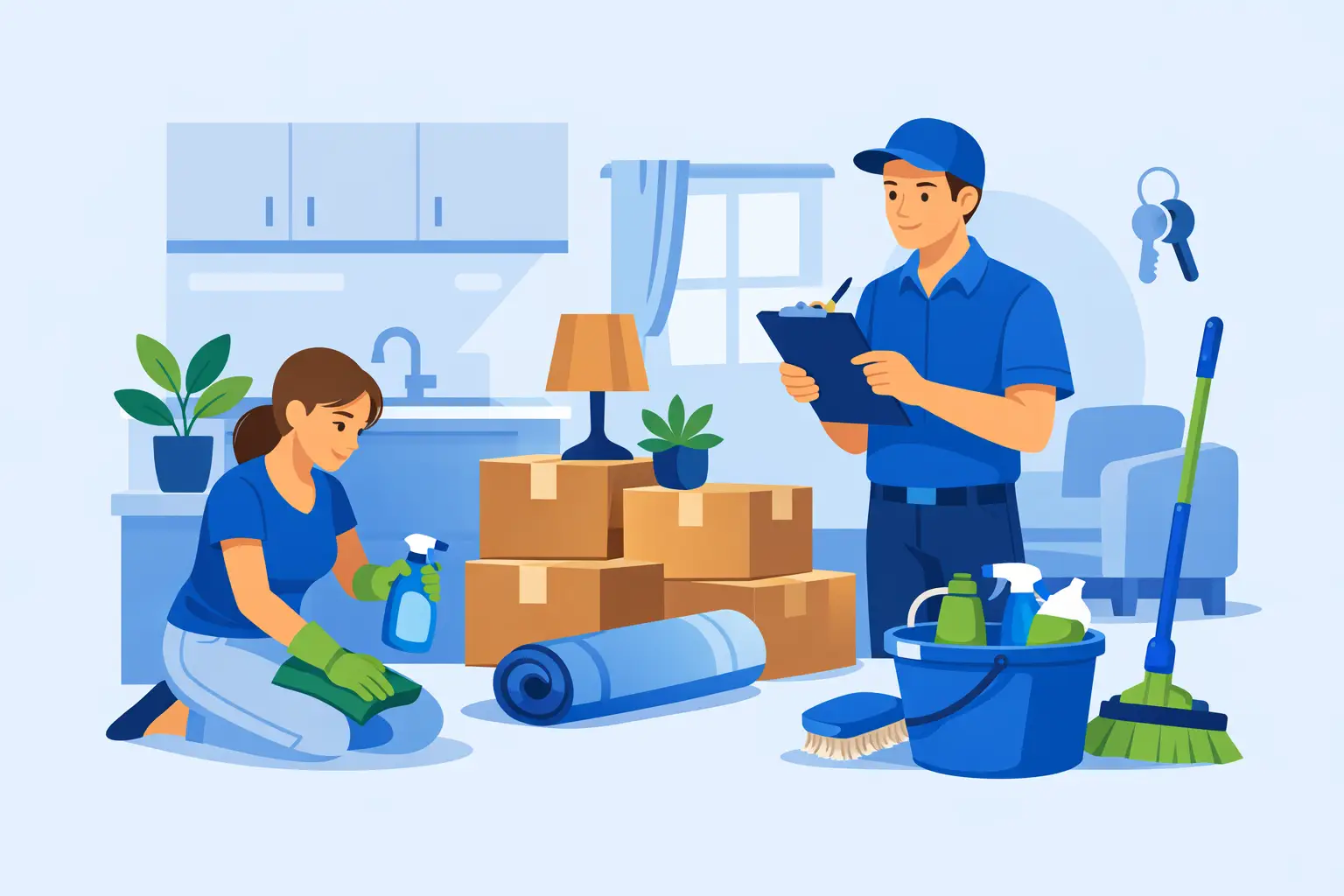
Moving day usually feels finished when the boxes are gone. Then you look around and notice the dust behind the dresser, the marks on the baseboards, and the fridge that still needs attention. A best move out cleaning checklist helps you catch the details that landlords, property managers, and new occupants tend to notice first.
The goal is not to make the home look staged. The goal is to leave it clean, empty, and inspection-ready. That means focusing on areas that collect hidden grime over time, not just the surfaces you cleaned during regular weekly upkeep.
What the best move out cleaning checklist should cover
A move-out clean is closer to a deep cleaning than a standard tidy-up. Once furniture is removed, every missed spot becomes obvious. Dust lines appear on blinds, crumbs show up in drawers, and scuffs on doors stand out more than they did when the room was full.
A good checklist should cover four things: visible surfaces, hidden buildup, appliances, and signs of day-to-day living. If you only wipe counters and vacuum the middle of the floor, you can still fail an inspection over greasy stovetops, dirty cabinet fronts, or soap residue in the shower.
Timing matters too. The best results usually come after the home is completely emptied. Cleaning around stacked boxes wastes time and often leads to missed areas.
Start with the empty rooms
Before you clean details, walk through the property room by room. Pick up leftover items, remove trash, and check closets, cabinets, and storage areas. It is much easier to clean thoroughly when the space is truly empty.
At this stage, look for nails in walls, adhesive hooks, and obvious scuff marks. Some move-out expectations depend on your lease, so it helps to separate normal wear from issues you are expected to address. If you are not sure, prioritize anything that looks visibly dirty rather than damaged.
Then begin at the top of each room and work down. Dust falls, so ceiling fans, vents, shelves, and blinds should come before baseboards and floors.
Kitchen move-out cleaning priorities
The kitchen usually gets the most scrutiny because it shows grease, crumbs, and odors quickly. It also has more surfaces than most people realize.
Start with cabinets and drawers. Empty them fully, vacuum out debris, and wipe inside surfaces. Then clean the fronts, handles, and edges where grease and fingerprints collect. Upper cabinets near the stove often need extra attention.
Countertops and backsplashes come next. Remove crumbs from seams, corners, and behind small appliances if any remain. Sinks should be scrubbed thoroughly, including the faucet base, drain area, and any staining around the rim.
Appliances deserve their own pass. For the refrigerator, wipe shelves, drawers, walls, and door seals. If it has been unplugged, make sure it is dry and odor-free. The oven should be cleaned inside and out, including the door, stovetop, burner grates, and control knobs. Do not forget the microwave interior and the vent hood if your home has one.
Finally, mop the floor after everything else is done. Kitchen floors hold onto fine dust and sticky residue, especially near cabinets and under where the refrigerator and stove sat.
Bathrooms need detail work, not just surface cleaning
Bathrooms can look decent at first glance and still fail on detail. Water spots, soap scum, hair, and residue around fixtures tend to be the biggest issues.
Scrub the shower or tub thoroughly, paying close attention to corners, grout lines, shelves, and the track around glass doors if there is one. Toilets should be cleaned inside the bowl, around the base, behind the seat, and on the surrounding floor. Sinks and vanities need both the top and the cabinet fronts cleaned.
Mirrors should be streak-free, and fixtures should be wiped until they are free of toothpaste, soap film, and water marks. If your bathroom has an exhaust fan cover that is visibly dusty, wipe that too.
One detail people often miss is storage. Medicine cabinets, vanity drawers, and under-sink cabinets should be emptied and wiped clean, not just closed up and ignored.
Bedrooms and living areas still need a true move-out clean
These rooms are usually simpler, but they still need more than a quick vacuum. Start with ceiling fans, light fixtures, window sills, blinds, and baseboards. Then wipe doors, door frames, switch plates, and visible marks on trim.
Closets matter more than many renters expect. A clean bedroom with a dusty closet shelf can still leave the wrong impression during a final walkthrough. Vacuum or wipe closet floors and shelves, and check corners for lint and debris.
Walls are often the gray area. Most leases do not require full wall washing, and aggressive scrubbing can damage paint. It is usually enough to spot-clean obvious fingerprints or smudges using a gentle method.
For floors, vacuum carpet slowly and in multiple directions to lift hair and dust. Hard floors should be swept and then mopped with attention to edges and corners. Once the room is empty, dirt along the perimeter becomes much easier to see.
The most commonly missed move-out cleaning spots
If you want your best move out cleaning checklist to actually work, it has to account for the places people rush past. These are often the difference between a home that looks clean and one that feels professionally finished.
The most missed areas include:
- Baseboards and trim
- Inside cabinets and drawers
- Behind and beneath appliances
- Window sills and blinds
- Door frames, light switches, and handles
- Closet shelves and corners
- Exhaust fan covers and vents
- The area around the washer and dryer
None of these are difficult on their own. They are just easy to forget when you are tired, short on time, and focused on the move itself.
Supplies that make the job easier
You do not need a large collection of specialty products, but the right basics help. Microfiber cloths, a good vacuum with attachments, a mop, a non-abrasive scrub sponge, an all-purpose cleaner, glass cleaner, and a degreaser usually cover most of the job.
For bathrooms and kitchens, a small detail brush can save time around grout, faucet bases, and tracks. Trash bags, paper towels, and a step stool also tend to be useful during move-out cleaning.
What matters most is using products that match the surface. Harsh cleaners can damage finishes, especially on painted cabinets, stainless steel, natural stone, or newer flooring. If you are unsure, test a small hidden area first.
When to do it yourself and when to book help
It depends on your timeline, the size of the home, and how much buildup you are dealing with. A small apartment that has been cleaned consistently is very different from a larger house after several busy years.
If you are doing it yourself, set aside more time than you think you need. Move-out cleaning takes longer because every room has to be cleaned in full, including spots usually hidden by furniture. Trying to do it late at night after moving trucks and key handoffs is where shortcuts happen.
Professional help can make sense when you are balancing work, family logistics, and a moving schedule. It is especially useful if the property needs a deeper reset or if you want the reassurance of a thorough, inspection-ready clean. For busy households in the Triangle, that peace of mind is often worth more than squeezing one more task into an already packed week.
A simple order of operations for move-out day
The easiest way to stay organized is to clean in a consistent sequence. Start by emptying the home completely. Dust high surfaces first, then wipe room details, then clean kitchens and bathrooms, and finish with floors last.
That order prevents rework. If you mop first and then clean dusty blinds or cabinet tops, you will end up doing the floor again. A methodical approach saves time and usually produces better results than bouncing from room to room.
If you are splitting the work with a partner or family member, divide by zones rather than by task. One person can handle bathrooms while another works through bedrooms and common areas. That tends to be faster and easier to track.
Final walkthrough before you hand over the keys
Before you leave, do one last slow walkthrough with the lights on and the home empty. Open cabinets, check inside appliances, look behind doors, and view floors from different angles. Small things stand out more during a final scan than they do while you are actively cleaning.
This is also the time to take photos if needed for your records. An organized final check helps you leave with confidence instead of wondering later whether you forgot the oven rack or the hall closet shelf.
A move is already a long to-do list. The right checklist keeps the cleaning part simple: focus on what is visible, what is hidden, and what gets inspected first, and you can leave the home in good shape without adding unnecessary stress.