 Skip to content
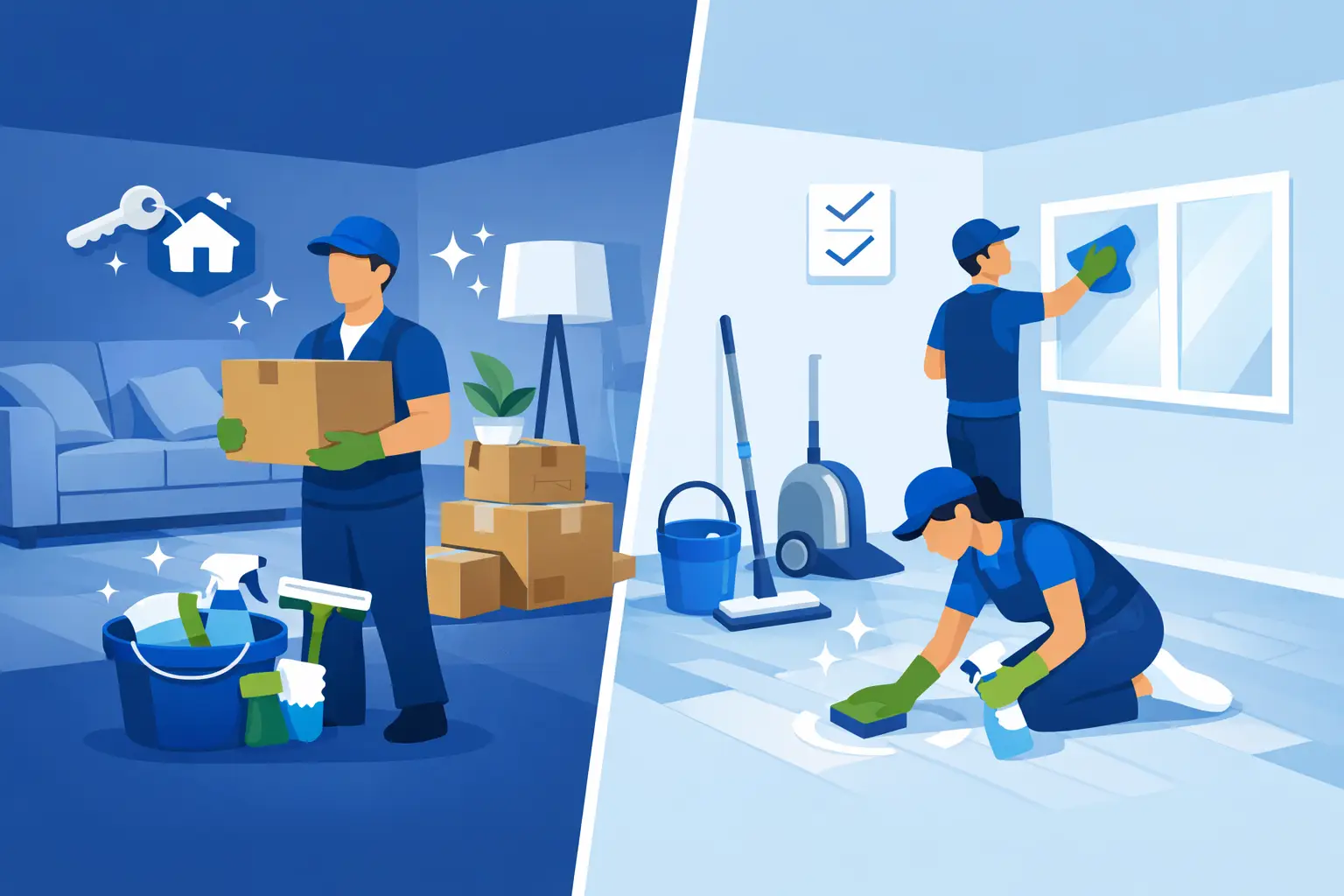
Getting the keys to a new place feels great until you notice the dust in the cabinets, the smudges on the baseboards, or the grime behind the toilet. That is where move in vs move out cleaning becomes more than a simple label. These two services sound similar, but they solve different problems at different points in a move.
If you are planning a relocation, choosing the right cleaning service can save time, reduce stress, and help you avoid last-minute surprises. For renters, it may affect whether the home is ready for inspection. For homeowners, it can shape how comfortable the next chapter feels from day one. The difference comes down to timing, purpose, and the level of detail needed in each room.
What is the difference between move in vs move out cleaning?
At a glance, both services are detailed cleanings meant for empty or mostly empty homes. They go beyond standard maintenance cleaning because the goal is not just to tidy up. The goal is to reset the space.
Move-in cleaning focuses on making your next home feel clean, fresh, and ready to live in before your furniture and boxes arrive. It is about removing leftover dirt, dust, and residue from the previous occupant or from weeks of vacancy.
Move-out cleaning focuses on leaving your current home in strong condition for a landlord, buyer, new tenant, or the next resident. It is about clearing away the evidence of daily living, from kitchen buildup to bathroom grime to scuffs in overlooked areas.
That sounds close, and it is. But the priorities are not exactly the same.
Move-in cleaning priorities
A move-in clean is centered on livability. You are not trying to prove you maintained the home well. You are trying to start fresh.
That means the cleaner often pays close attention to surfaces you will touch right away: cabinet interiors, drawers, countertops, sinks, toilets, tubs, showers, and floors. Dust on blinds, ceiling fans, baseboards, and window sills matters more when you are about to unpack into that environment.
Appliances also matter during a move-in clean, especially if they are staying with the home. The inside of the refrigerator, microwave, and oven can make a big difference in how comfortable the home feels on day one.
The emotional side matters too. A house can be technically empty but still feel like someone else just left. A proper move-in cleaning helps remove that feeling.
When move-in cleaning is most useful
Move-in cleaning is especially helpful if the home was previously occupied, if construction or renovation dust is present, or if the property sat vacant for a while. Even a home that looks decent during a showing can reveal plenty of dust and buildup once the furniture is gone.
This is also the better choice if you want to unpack without stopping to wipe shelves, sanitize bathrooms, or mop before placing rugs and furniture.
Move-out cleaning priorities
Move-out cleaning is centered on presentation and condition. You are leaving the home behind, and the cleanliness of that space often affects inspections, handoffs, and first impressions.
This kind of cleaning usually focuses on the areas where wear builds up over time. Kitchens often need extra attention because grease, crumbs, and residue settle gradually. Bathrooms collect soap scum, hard water marks, and grime that can be easy to miss during normal weekly cleaning. Floors, trim, doors, and baseboards also tend to show the effects of everyday life.
In a move-out clean, cleaners are often looking at the home the way a landlord, property manager, or buyer would. They notice dust in corners, fingerprints on switches, marks around handles, and leftover debris in closets or cabinets.
When move-out cleaning matters most
This service is often booked before a lease ends, before listing photos, before a final walkthrough, or after the home has been emptied. It is most effective once furniture is out, because that allows full access to floors, edges, closets, and hidden dust.
If you are balancing movers, utility transfers, work schedules, and paperwork, outsourcing the final clean can remove one of the most time-consuming items from your list.
What both services usually include
There is a lot of overlap between move-in and move-out cleaning. In both cases, you can usually expect a detailed whole-home cleaning that covers kitchens, bathrooms, living areas, bedrooms, and floors.
Typical tasks often include wiping counters and surfaces, cleaning sinks and fixtures, scrubbing tubs and showers, sanitizing toilets, dusting reachable surfaces, wiping baseboards, vacuuming, and mopping. Many services also include the outside of appliances, cabinet fronts, doors, window sills, and light switches.
The exact checklist depends on the company and the condition of the home. Some homes need a light reset. Others need deep attention in neglected areas.
That is why it helps to think less in terms of labels and more in terms of outcome. Do you need the home ready to live in, or ready to hand off?
Move in vs move out cleaning for renters
For renters, the decision is usually straightforward. If you are leaving a rental, move-out cleaning is the priority. If you are entering a new rental, move-in cleaning gives you control over the condition of the space before you settle in.
Some renters need both, especially when moving on a tight timeline. It is common to spend so much energy packing and coordinating the move that cleaning the old place gets pushed to the last few hours. At the same time, the new place may not feel fully ready when you arrive.
If that sounds familiar, booking both services can simplify the transition. One clean helps you leave responsibly. The other helps you arrive comfortably.
Move in vs move out cleaning for homeowners
Homeowners often have more flexibility than renters, but the same logic applies. If you are selling, move-out cleaning helps the home show better and hand over well. If you are buying, move-in cleaning gives you a clean foundation before your belongings fill the rooms.
There are also situations where a deeper custom clean makes sense. For example, if the previous owner left the home in fair condition but the inside cabinets, appliances, or bathroom grout need extra work, a standard move-in package may need add-ons. If the home is already empty and fairly clean, the job may be faster and lighter.
It depends on the condition of the property, not just the calendar event.
How to choose the right service
Start with one question: what problem are you trying to solve?
If you want to walk into a home that feels fresh, clean, and ready for your family, book move-in cleaning. If you want to leave a home looking well cared for and inspection-ready, book move-out cleaning.
Then think about the condition of the space. A well-maintained apartment may need a straightforward detailed clean. A larger home with buildup in the kitchen and bathrooms may need more time and a deeper approach. Empty homes are usually easier to clean thoroughly, but they also reveal more dust, marks, and neglected edges.
Timing matters too. For the best results, move-out cleaning should happen after the home is emptied. Move-in cleaning should happen before boxes and furniture arrive. That allows full access and a more complete clean.
What to ask before booking
A reliable cleaning company should be clear about what is included, how long the service may take, and whether the cleaners are insured and background-checked. If consistency and peace of mind matter to you, those details are not small. They are part of the service.
It also helps to ask whether you can customize the cleaning based on your home. Not every move needs the same checklist. Some customers want the refrigerator and oven interior cleaned. Others care most about floors, bathrooms, and cabinets. Clear expectations lead to better results.
For busy households across the Triangle, that kind of clarity is often what makes the process feel manageable. Companies like Mission Maids build their service around that idea: straightforward booking, dependable cleaners, and clear service options that fit real homes and real schedules.
The mistake people make most often
The most common mistake is assuming any cleaning will cover everything needed for a move. A standard recurring clean is designed for upkeep. A move-related clean is designed for transition.
That difference matters because moving exposes the places normal life hides. Once the couch, rugs, and wall decor are gone, dust, scuffs, and buildup become much easier to see. If you book too light a service, you may still end up doing detail work yourself at the worst possible time.
A move is already full of decisions. The cleaning should not be one more guess. Choose the service based on what the home needs next, and the whole transition tends to feel a little easier.