 Skip to content
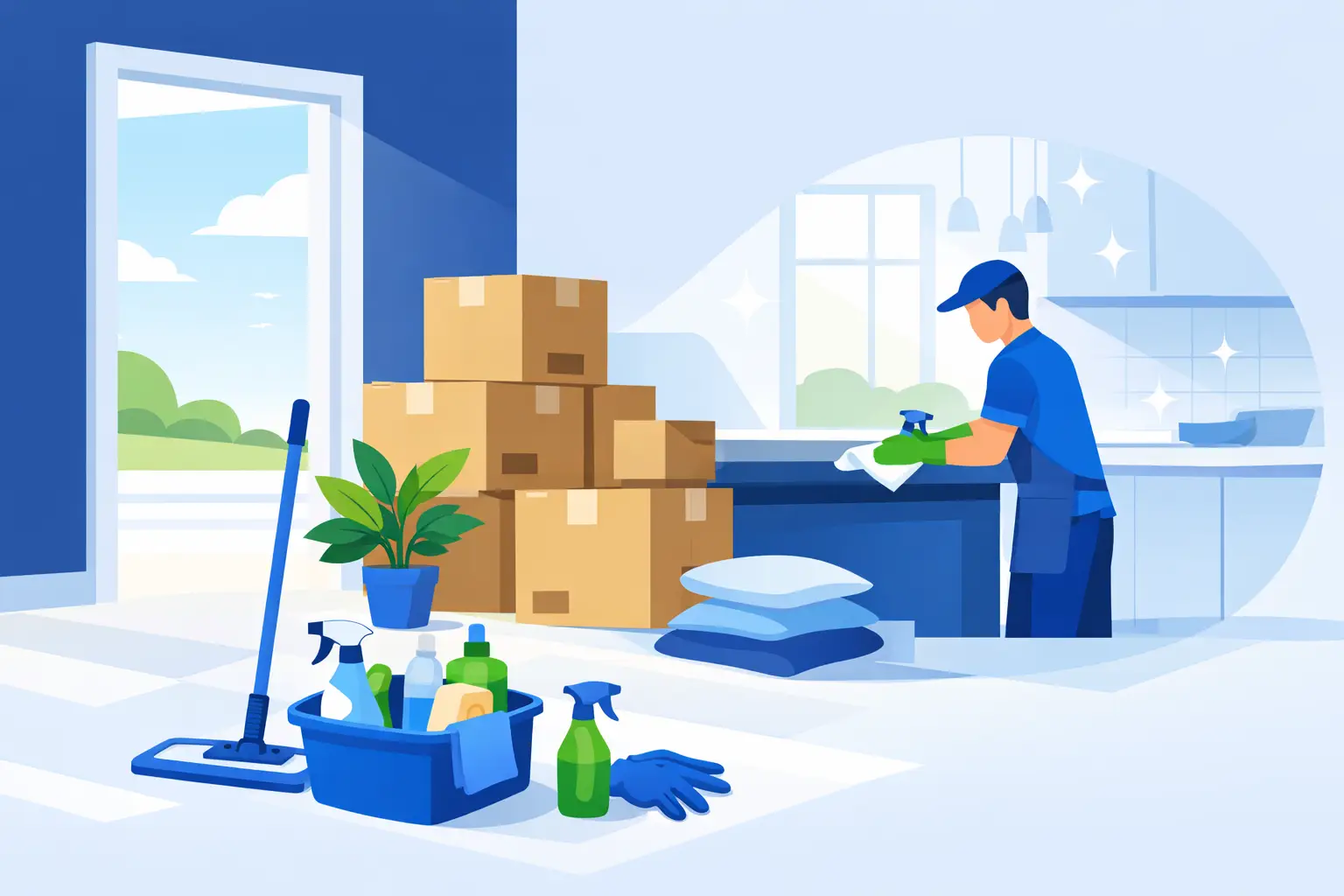
You notice the little things fast on move-in day. The inside of a cabinet feels gritty. The bathroom light shows water spots you missed during the walkthrough. A shelf liner peels back and reveals dust from the last tenant or owner. A solid move in cleaning guide helps you catch those details before boxes stack up and cleaning becomes harder than it needs to be.
The best time to clean a new home is before furniture arrives and before daily life starts. Empty rooms give you access to baseboards, closets, cabinets, and corners that are much harder to reach later. Even a home that looks tidy at first glance can still need attention in the places people do not inspect closely.
Why a move in cleaning guide matters
Move-in cleaning is not just about appearance. It is about starting with a home that feels ready, organized, and easier to maintain from day one. When you clean before unpacking, you remove old dust, residue, and buildup instead of working around it for weeks.
This also helps you set priorities. Not every home needs the same level of cleaning. A well-maintained property may only need a thorough standard reset. A vacant home that sat for a while may need deeper work in the kitchen, bathrooms, and floors. The right approach depends on condition, not just square footage.
For busy households, that difference matters. If your moving timeline is tight, focusing on the highest-impact areas first can save time and lower stress.
Start with the home empty
If you have any control over timing, clean before the moving truck arrives. This is the single biggest advantage you can give yourself. Without rugs, sofas, and stacked boxes in the way, you can clean faster and more thoroughly.
Walk the home once before you start. Open cabinets, check closets, look behind bathroom doors, and inspect window sills. This quick pass helps you spot where dirt has collected and whether the home needs light cleaning or a more detailed top-to-bottom reset.
Bring a simple set of supplies that can handle most surfaces: microfiber cloths, a vacuum with attachments, a mop, an all-purpose cleaner, a glass cleaner, a gentle scrub product for bathrooms, and trash bags. If you are cleaning wood, stone, or specialty surfaces, use products that match the material. This is one area where rushing can create problems.
Clean high to low, dry to wet
A practical move in cleaning guide follows a simple order. Start with higher surfaces and dry debris first, then work downward and finish with wet cleaning. That keeps you from cleaning the same surface twice.
Begin with ceiling corners, light fixtures, vents, shelves, and tops of cabinets. Dust falls as you work, so save counters and floors for later. After that, wipe surfaces, disinfect where appropriate, and vacuum or mop last.
Room order matters too. Most people do best by starting in the kitchen and bathrooms, because those rooms usually need the most detail. Bedrooms and living areas tend to move faster once the high-touch areas are done.
Kitchen: the room that deserves the most time
The kitchen is usually the biggest move-in cleaning project. Even when it looks clean, hidden grease and crumbs often tell a different story.
Start with cabinets and drawers. Vacuum out debris, then wipe interiors before you put anything away. Pay attention to handles, edges, and the area above the stove, where grease tends to settle. If shelf liners are worn or lifting, replace them now rather than after dishes and pantry items are in place.
Next, clean countertops and backsplash areas. Then focus on appliances. The refrigerator should be wiped inside and out, including shelves, drawers, and door seals. The oven and stovetop may need more than a surface wipe if there is baked-on residue. The microwave, dishwasher exterior, and small built-in ledges also deserve a pass.
Finish with the sink and floor. Once the kitchen is clean before unpacking, putting things away feels much easier and more organized.
Bathrooms: prioritize sanitation and buildup
Bathrooms can make a home feel clean or not clean very quickly. They also tend to show signs of previous use in ways other rooms do not.
Start with the shower and tub, especially grout lines, corners, and fixtures. Soap scum and hard water spots are common, and they may need more than one pass depending on how long they have been there. Then clean the toilet thoroughly, including around the base. Wipe vanities, drawer fronts, mirrors, switches, and door handles.
If the bathroom has exhaust fans, dust those early. If not, you can end up blowing dust onto freshly cleaned surfaces. Finish with the floors last, especially around the toilet and along baseboards where dust and hair collect.
Bedrooms and living spaces: focus on touch points and dust traps
These rooms are usually simpler, but they still benefit from detailed attention before furniture goes in. Closets should be vacuumed or swept first, then wiped if shelves are dusty. This is worth doing now so clothing, shoes, and storage bins go into a clean space.
In bedrooms and living areas, wipe window sills, trim, switch plates, door frames, and any built-in shelving. Ceiling fans and light fixtures should be cleaned before the floors. If the home has blinds, dusting them before move-in will make the whole room feel fresher.
Floors often need more than a quick pass. Hardwood may need careful vacuuming and a damp mop suitable for the finish. Carpet may need a thorough vacuum at minimum, and sometimes a deeper clean if the home was vacant for a while or had pets previously. It depends on condition and your comfort level.
Do not skip the often-missed areas
A home can look clean and still have problem spots that affect your first few weeks there. The most commonly missed areas are inside cabinets, pantry shelves, closet corners, baseboards, behind toilets, around washer and dryer units, window tracks, and the inside edges of doors.
If the home includes a laundry area, wipe the exterior of the machines and sweep behind or beside them if accessible. Entryways also deserve attention because they set the tone every time you walk in. A quick clean of the front door, threshold, and nearby floor helps the entire home feel more finished.
These details do not always take long, but they make a noticeable difference once you start settling in.
When to do it yourself and when to bring in help
Some move-ins are straightforward. If the home is already in good shape and you have a few uninterrupted hours, doing it yourself may be enough. That is especially true for smaller apartments or homes that were recently cleaned.
But there are times when professional help makes the better kind of sense. If you are juggling work, kids, utility setup, lease or closing deadlines, and the logistics of the move itself, cleaning can become the task that gets rushed. A larger house, visible buildup, or a short handoff window often calls for a dedicated move-in clean.
For many households, the value is not just the cleaning itself. It is the ability to walk into a home that is ready without spending the first night wiping shelves or scrubbing bathrooms. Companies like Mission Maids are built around that kind of convenience, with vetted cleaners, clear service options, and a satisfaction guarantee that gives homeowners and renters more confidence during an already busy transition.
A realistic timeline for move-in cleaning
If you are cleaning yourself, try to break the job into phases instead of treating it like one giant task. Start with dusting and dry debris removal throughout the home. Then handle the kitchen and bathrooms. Finish with floors once everything else is done.
If time is limited, clean the rooms you will use immediately first. That usually means the kitchen, primary bathroom, and primary bedroom. Guest rooms, storage areas, and secondary closets can wait a day or two if needed.
The key is to avoid unpacking too early. Once boxes cover the floor and counters fill up, even a basic wipe-down becomes slower and more frustrating.
How to keep the clean feeling after move-in
The first week matters. Break down boxes quickly, wipe surfaces as you organize, and avoid letting packing materials sit too long. Dust from cardboard builds up faster than most people expect.
It also helps to choose a few simple maintenance habits right away. Remove shoes near the door, wipe kitchen counters nightly, and stay ahead of bathroom surfaces before buildup starts. A clean start is easier to maintain than to recreate later.
If your schedule is already full, this is often the point where recurring cleaning becomes useful. After a move, routines are still shifting, and having consistent help can keep the home from slipping into catch-up mode.
A new home does not need to be perfect on day one. It just needs to feel clean enough that you can unpack, breathe, and start living there without another major task hanging over you.
