 Skip to content

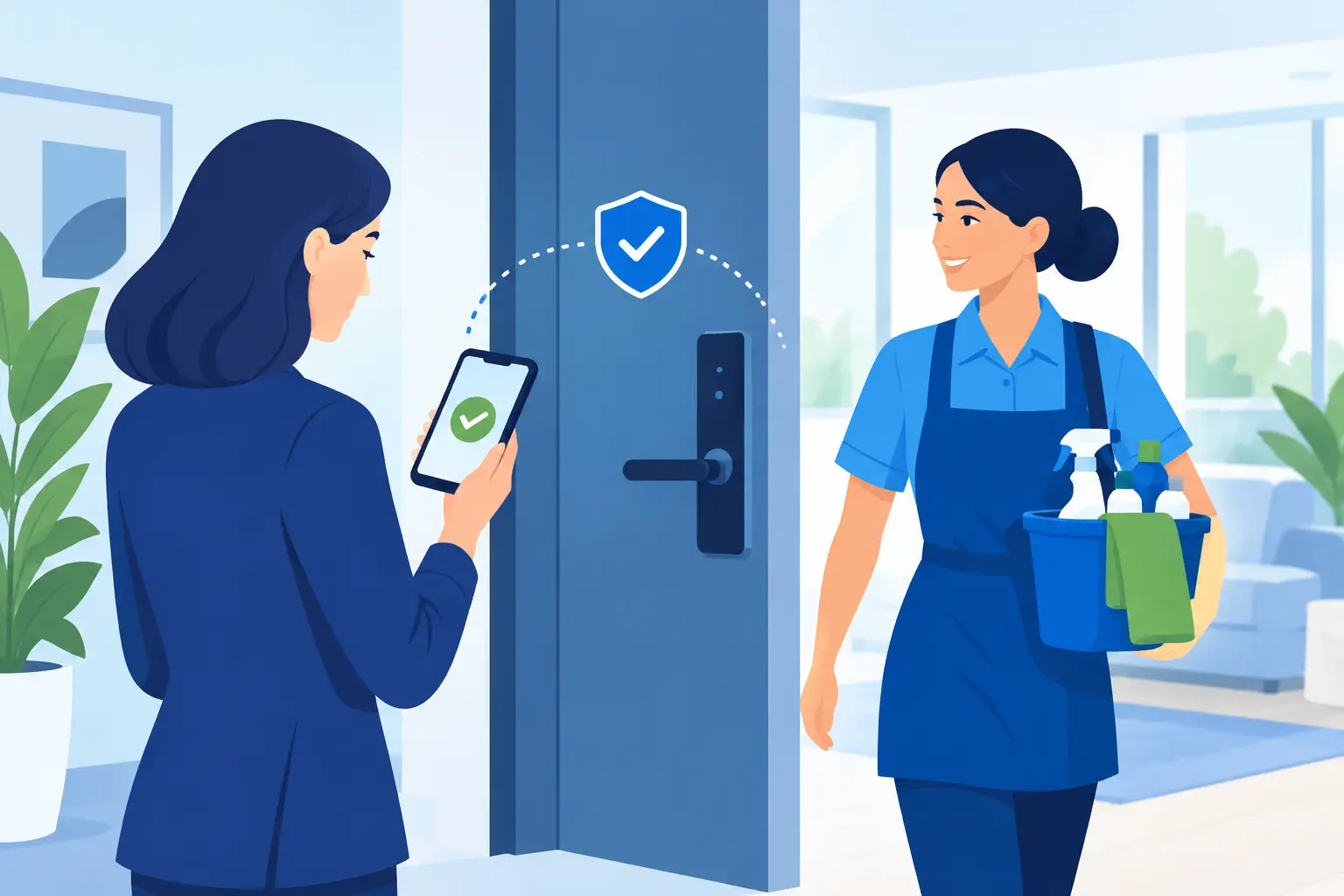
A cleaning appointment should save time, not create a midday scramble to get home, find a spare key, or answer a string of texts. Knowing how to coordinate cleaner access before the first visit gives your cleaning team what they need while helping you stay in control of your home. A clear plan also makes recurring cleanings easier, especially when work, school pickup, errands, and family schedules change from week to week.
The right approach depends on your comfort level, home setup, and whether you will be there during the appointment. What matters most is choosing one reliable access method, sharing the details clearly, and updating your cleaner promptly when anything changes.
Choose the Access Method That Fits Your Routine
There is no single best way to provide access to your home. The most practical option is the one that feels secure to you and can be used consistently without creating confusion.
Many homeowners choose to be home for a first cleaning. This can be helpful if you want to walk through priorities, point out areas that need extra attention, or introduce pets. After that first visit, some clients prefer to leave access instructions so the cleaning can happen while they are at work or out enjoying their weekend.
A smart lock is often a convenient choice for recurring service. You can create a unique code for your cleaning appointment and change or remove it whenever needed. If your home does not have a smart lock, a lockbox with a key is another dependable option. Place it in a location that is accessible to the cleaner but not obvious from the street, and provide the current code through your cleaning company’s approved communication method.
For apartment and condo residents, access may include more than the front door. Your cleaner may need instructions for the building entrance, call box, elevator, parking garage, or concierge desk. Share these details ahead of time so arrival is straightforward and your appointment can begin on schedule.
Leaving a key with a trusted cleaning service can also work well for recurring visits. If you choose this option, ask how keys are labeled, stored, and handled. A professional service should have clear procedures that protect your information and prevent your home address from being attached to the key.
How to Coordinate Cleaner Access Clearly
The difference between a smooth visit and a delayed one is often a few simple details. Give instructions in writing before the appointment rather than relying on a verbal conversation or a note left on the door.
Start with the entry point. Specify which door should be used, where to park, and whether there are gates, stairs, or other features that affect arrival. If the front entrance is not the best option, say so directly. For example, a side entrance may be easier for a townhome, while a garage entry may make more sense for a single-family home.
Next, provide the access method and any timing limitations. A temporary door code that works only during the cleaning window is useful, but make sure the time range allows for normal arrival variation. If your building requires a resident to release visitors through an intercom, arrange that process before the cleaner arrives.
Keep your instructions short, specific, and current. A message such as, “Park in the driveway, use the side gate, and enter through the back door with the lockbox code provided,” is much more useful than “Come around back.” Clear directions respect everyone’s time and reduce the chance of an avoidable interruption.
Share Home Details That Affect the Visit
Access is not only about getting through the door. A few household details help your cleaner work safely and efficiently once inside.
Let the cleaning team know about pets, particularly if they may be anxious around new people or could slip out when a door opens. If possible, place pets in a comfortable, secure area during the appointment. This is often the simplest solution for both your household and the cleaner.
If you use a security system, explain whether it will be armed during the service and who is responsible for disarming it. Never send alarm codes through an informal channel or leave them in plain sight. Follow your provider’s preferred process for securely sharing sensitive entry information.
It also helps to mention anything unusual about the home, such as a door that sticks, a gate that must be latched, a parking restriction, or a room that should remain closed. These details are not minor when they affect access, safety, or the scope of the cleaning.
Prepare the Home Without Over-Preparing It
You do not need to clean before your cleaner arrives. That is the purpose of the appointment. Still, a little preparation helps the team focus on the work you booked rather than spending time locating items or determining what should be put away.
Clear personal papers, medications, cash, and valuable small items from surfaces where possible. This is not about expecting a problem. It is a sensible household practice that protects your privacy and gives everyone a more comfortable experience.
Try to pick up clothing, toys, and everyday clutter from the floors in the rooms you want cleaned. Cleaners can typically work around normal lived-in spaces, but a clear path makes vacuuming and mopping more effective. If you want a particular area skipped, such as a home office during a confidential project, leave a clear note or communicate that request in advance.
For first-time, deep, move-in, or move-out cleaning, access planning deserves extra attention. These appointments may take longer than maintenance cleanings and can involve an empty property, a real estate lockbox, a leasing office, or a moving schedule. Confirm the entry plan at least a day before the service so there is time to resolve any missing codes or building requirements.
Make Recurring Visits Easier Over Time
Once you have a dependable routine, cleaner access should require very little thought. Use the same entry method whenever possible and keep your cleaning company updated if a code, lockbox location, building policy, or parking situation changes.
Same-cleaner consistency can make this process even simpler. A cleaner who knows your preferred entrance, pet routine, and household priorities can arrive prepared without needing to relearn the basics each visit. At Mission Maids, this kind of consistency is designed to make regular home care feel more predictable for busy Triangle households.
It is still a good idea to review access instructions occasionally. Seasons can change practical details: a gate may be locked more often, a driveway may be under repair, or a school break may mean someone is home during a usual cleaning time. A quick update prevents surprises.
What to Do When Plans Change
Life does not always follow the calendar. If you need to change access on the day of service, notify your cleaning company as soon as possible. Do not assume a cleaner will see a last-minute note on the door or a message sent after they are already traveling to your home.
If no one will be home and the original entry option is no longer available, provide an alternate method only through the company’s normal communication process. If access cannot be arranged safely, rescheduling may be the better choice. It is less frustrating than a missed appointment or asking a cleaner to wait outside without a clear solution.
When you are home but need privacy during the visit, let the cleaner know which rooms are occupied and whether there are any calls, meetings, naps, or work areas to avoid at certain times. Good communication lets the team adjust their order of work where possible.
Cleaner Access Questions Homeowners Often Ask
Should I stay home while the cleaner is there?
You can, especially for a first appointment or a custom cleaning. However, many clients prefer to leave while the cleaning is completed. The best choice is the one that fits your schedule and comfort level, provided the cleaner has reliable instructions and access.
Is a smart lock better than a lockbox?
It depends on your home and preferences. Smart locks offer flexibility because you can manage codes remotely. A quality lockbox is a practical alternative when you do not want to change your door hardware. In either case, choose a method you can maintain consistently.
How far ahead should I send access details?
Send them as soon as your appointment is confirmed, then verify them again if anything changes. For apartments, gated communities, move-in cleanings, and vacant homes, confirming details the day before is especially helpful.
A five-minute access plan can protect the time you set aside for your cleaning and remove one more task from your day. Choose a method you trust, write down the details clearly, and let your cleaner arrive ready to focus on the home you want to come back to.