 Skip to content
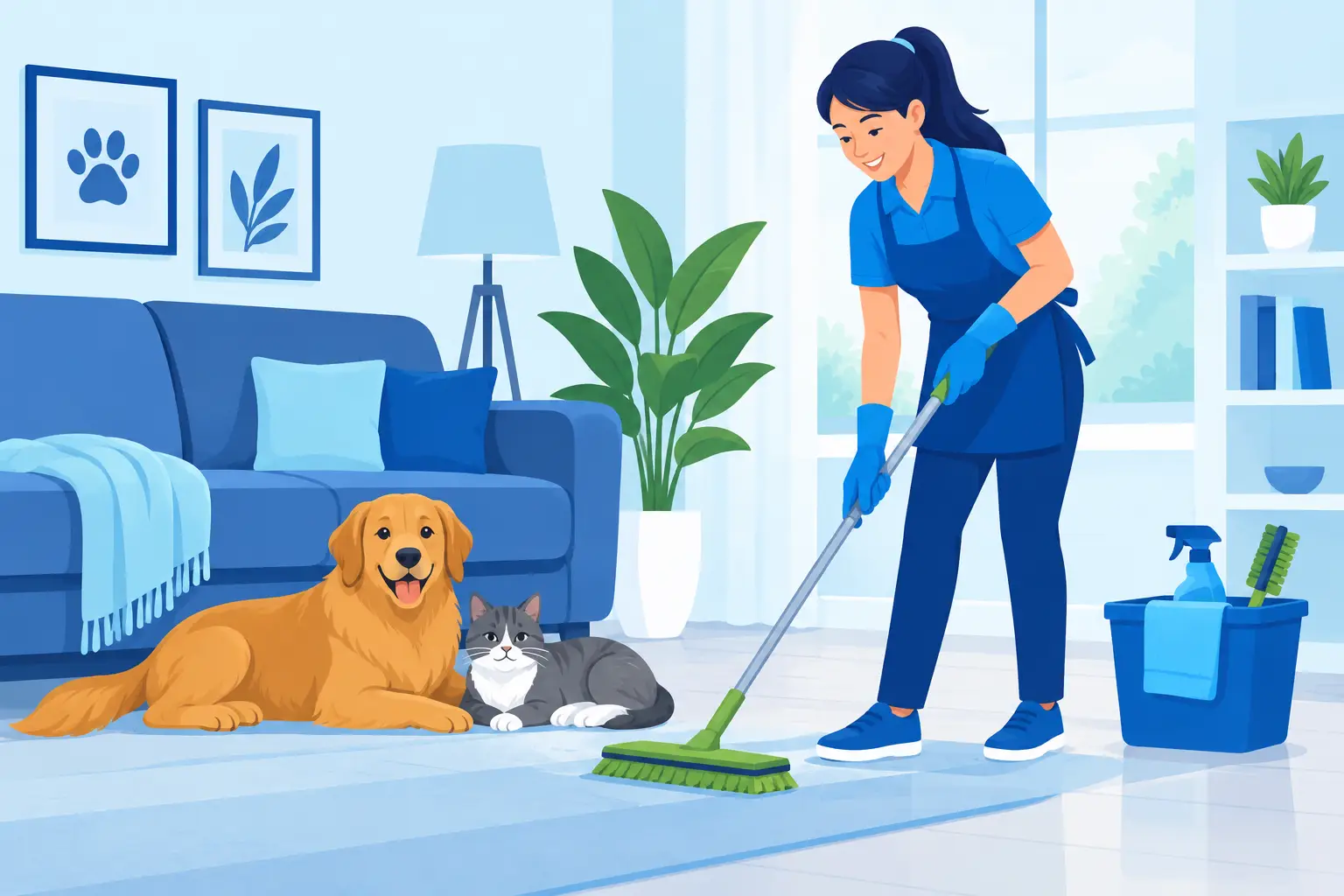
A dog shaking off after a rainy walk or a cat claiming the back of the sofa can change a freshly cleaned room in seconds. House cleaning for pet owners is not about keeping a home perfectly free of fur or paw prints. It is about having a realistic routine that keeps the mess from building up and lets you enjoy your pets without feeling like cleaning is another full-time job.
Start with the places your pet uses most
Most pet-related mess stays close to a few predictable areas: entryways, feeding stations, favorite sleeping spots, litter box areas, and the furniture your pet is allowed to use. Give these spaces extra attention instead of trying to clean every room at the same intensity each day.
An entry mat inside and outside the door can make a noticeable difference when dogs come in from the yard. Keep a towel near the door for wet paws, especially during rainy Triangle weather. If your pet rides in the car often, placing a washable throw on a favorite seat can also keep outdoor dirt from traveling from the driveway to the sofa.
At feeding stations, use a wipeable mat under bowls to catch water splashes and food crumbs. Wash bowls regularly, then wipe the surrounding floor before residue has a chance to harden. Small habits in these high-use zones prevent a larger cleanup later.
Build a house cleaning for pet owners routine
The right schedule depends on your pet, your flooring, and how much time your household spends at home. A short-haired indoor cat in an apartment creates a different cleaning workload than two dogs with access to a backyard. The goal is not to follow a rigid checklist. It is to divide tasks into manageable intervals.
Daily: contain the visible mess
A quick daily reset takes far less time than a full-house cleaning session. Spend a few minutes picking up pet toys, wiping food and water areas, and sweeping or vacuuming the most active pet zones. This is also a good time to spot-clean muddy marks near doors before they dry.
For litter box households, scoop daily and sweep the surrounding floor. A litter-catching mat helps, but it will not eliminate every scattered granule. Staying ahead of this small area keeps debris from moving through the rest of the home on socks and bare feet.
Weekly: remove hair before it settles in
Pet hair collects along baseboards, under furniture, on rugs, and in corners that a quick pass can miss. Vacuum rugs, carpets, upholstered furniture, and hard floors at least once a week. Homes with heavy shedders may need more frequent vacuuming in main living areas.
Use a vacuum attachment on sofa cushions, pet beds, and along the edges of stairs. Wash removable pet bed covers, blankets, and throws according to their care labels. These fabrics hold onto fur and everyday odors, even when they look clean from across the room.
Mop hard floors after vacuuming so loose hair does not turn into damp clumps. Choose a floor cleaner that is appropriate for your surface and follow the label directions carefully. Allow floors to dry before pets walk across them, especially if they are likely to track moisture or dirt into other rooms.
Monthly: address overlooked buildup
Monthly cleaning is where the details make a difference. Wipe baseboards around pet areas, clean beneath furniture when possible, and check walls near feeding stations or favorite resting spots. Wash washable toys and inspect scratching posts, crates, and carriers for hair or debris.
Do not overlook air vents and return grilles. Dust and pet hair can gather there quickly, particularly in homes where the HVAC system runs often. Vacuum the exterior of vents and replace filters on the schedule recommended for your system and household.
Choose tools that make cleanup easier
You do not need a cabinet full of specialized products. A few dependable tools will handle most routine pet cleanup:
- A vacuum with a brush roll or upholstery attachment for floors, rugs, and furniture
- Washable microfiber cloths for paw prints, feeding areas, and quick surface wipes
- A rubber broom or squeegee for lifting stubborn hair from rugs and upholstery
- A lint roller for clothing, lampshades, cushions, and last-minute touch-ups
- Washable mats and throws that protect the places your pet uses most
Keep these items where you use them. A small cleaning caddy near the entryway or laundry room makes it easier to wipe paws and deal with spills right away. Convenience matters because the best cleaning routine is the one your household can keep up with.
Handle odors at the source
A scented candle or air freshener may cover an odor temporarily, but it will not solve the reason it is there. Start by washing the fabrics and surfaces that hold the odor: pet bedding, blankets, rugs, upholstery, and washable covers. Vacuum thoroughly before treating upholstered pieces, since hair and dander can cling to fibers.
If an accident happens, blot it promptly rather than rubbing it deeper into carpet or upholstery. Use a product designed for the affected material and follow its instructions. Before applying any cleaner broadly, test it in a hidden area. For recurring accidents or persistent odors, consider whether the area needs a deeper carpet or upholstery treatment rather than another round of surface cleaning.
Litter box placement also matters. Choose a stable, easy-to-clean location with enough room around the box for routine sweeping. Clean the box according to the litter manufacturer’s directions, and replace the surrounding mat when it no longer catches debris effectively.
Protect furniture without making your home feel temporary
Pets and clean furniture can coexist. The key is choosing protection that is easy to remove and wash. A well-fitted washable throw on a pet’s preferred corner of the sofa is usually more practical than constantly trying to remove every strand of fur from the entire piece.
For upholstered furniture, vacuum first and use a rubber brush, damp microfiber cloth, or lint roller for the remaining hair. Work in one direction to gather fur instead of pushing it around. On wood furniture, use a soft cloth so hair is picked up rather than scattered across the surface.
If pets are allowed on beds, wash bedding more frequently and consider a dedicated top blanket. This gives you a simple layer to remove between full sheet changes. If your pet is not allowed on certain furniture, consistency is more useful than occasional correction. Give them a comfortable alternative nearby, such as a bed or blanket in the room where the family spends time.
Know when a deeper clean is worth scheduling
Routine maintenance handles everyday fur, crumbs, and paw prints. A deep cleaning can be especially useful during seasonal shedding, after a busy stretch of travel or work, before hosting guests, or when pet hair has collected in corners and under furniture.
A professional cleaning team can help reset the surfaces that are easiest to postpone, including detailed floor edges, baseboards, and bathrooms. When booking, mention that you have pets and share any relevant access instructions. A clear plan for where pets will be during the visit helps the appointment go smoothly for everyone.
For busy households in Raleigh, Cary, and across the Triangle, Mission Maids offers recurring maintenance cleaning and deep cleaning options designed around the way real homes are used. Consistent visits can keep pet-related buildup manageable without asking you to spend every weekend catching up.
A pet-friendly home does not have to look like a pet-free home. A few well-placed mats, regular fur removal, and a schedule that fits your household will keep the space comfortable, welcoming, and ready for the people and pets who live there.